PRP in Miami Beach: Face, Hair & Results
If your skin looks a little tired, your texture has changed, or your hair part seems wider than it used to, PRP in Miami Beach may be the treatment you keep hearing about. PRP uses a small sample of your own blood to support your skin or scalp. It is gradual, it comes in a series, and it works best when expectations are clear from the start. Here is what the Liscano Clinic team wants you to know before you book.
What is PRP?
PRP stands for platelet rich plasma. Platelets are the cells in your blood that help with repair, and they carry proteins called growth factors. To make PRP, the team draws a small amount of your blood, spins it in a centrifuge, and separates the golden plasma that holds a concentrated number of platelets. That plasma then goes back into the area being treated.
Because it comes from your own blood, PRP is not a product you are trying for the first time. You still want it done by a trained medical team, with clean technique and an honest plan. You can see the full overview on our PRP treatment page.
What can PRP help with?
At our Miami Beach studio, PRP is used for a few clear goals.
PRP for the face
PRP facial injections are aimed at skin quality. People come in for fine lines, dull tone, uneven texture, and mild acne scars. The goal is healthier looking skin over time, and the change is soft. Friends may tell you that you look rested, and that is usually the sign it is working.
PRP with microneedling
This is one of the most popular ways to use PRP. Microneedling creates tiny channels in the skin, and PRP is applied during the treatment so it reaches where it is needed. It is a good fit if texture, pores, or acne marks are your main concern.
PRP for thinning hair
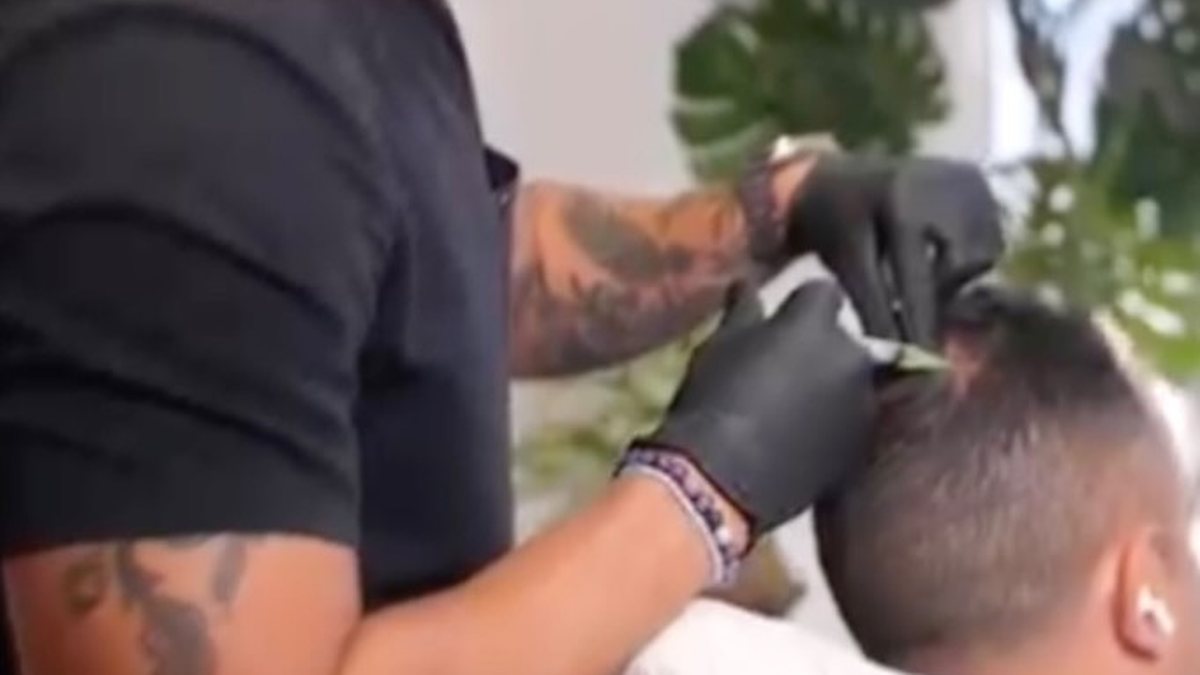
For the scalp, PRP is placed in the areas where hair is getting thinner. It tends to do best in early to moderate thinning, while the hair follicles are still active. It is not a fix for areas that have been fully bald for a long time. If you are not sure what is causing your hair loss, it is worth reading the MedlinePlus guide to hair loss and talking with your doctor, since thyroid problems, low iron, and some medications can play a role.
How does a PRP visit work?
The steps are simple, and the team walks you through each one.
- Consultation. The team looks at your skin or scalp, reviews your health history, and tells you whether PRP makes sense for your goal.
- Blood draw. A small sample is taken from your arm, similar to a routine lab test.
- Centrifuge. Your blood spins for a few minutes so the plasma separates.
- Numbing. Numbing cream is applied when the face is being treated.
- Treatment. The plasma is injected or applied with microneedling.
How many sessions will you need?
Most people do a series of three to four sessions, spaced four to six weeks apart. After that, a maintenance session every six to twelve months helps keep results going. This is the part that surprises people. One session rarely tells the full story, so it helps to think of PRP as a short program.
When will you see results?
PRP is slow on purpose, because it depends on how your body responds.
- Skin: many people notice a fresher look in the first few weeks after a session, and the change builds across the series.
- Hair: expect a longer wait. Hair grows in cycles, so progress is judged over several months, ideally with photos taken at the same angle and in the same light.
- Duration: results typically last six to twelve months.
Results vary from person to person. Age, skin condition, sun exposure, sleep, and smoking all play a part. Research on PRP for skin and hair is still growing, and the team would rather tell you that up front than promise you something it cannot guarantee.
Who is a good candidate?
PRP is often a good fit if you:
- Have mild to moderate fine lines, dull skin, or acne scars
- Are noticing early hair thinning
- Are in good overall health
- Are comfortable with gradual change and a series of visits
PRP is not recommended if you have a blood disorder or an active infection. Tell the team if you take blood thinners, are pregnant or breastfeeding, or have had problems with bleeding. If PRP is not the right tool for you, you will hear that at your consultation.
What should you expect afterward?
Downtime is minimal. Mild redness or swelling can last 24 to 48 hours, and small bruises can show up where the injections went. Most people go back to work the same day. The team will give you written aftercare, which usually includes avoiding makeup for a short time after facial treatment, skipping hard workouts that day, and using sunscreen every morning.
Call the clinic if you have pain that gets worse, spreading redness, or anything else that worries you.
How does PRP fit with fillers and Botox?
Think of PRP as one part of a bigger plan. Dermal fillers are wonderful for structure and volume, and Botox relaxes the muscles behind expression lines. PRP is focused on skin quality. Because they do different jobs, many people combine them, and the team sets the order so each one can do its work.
If you have read about PRF, it is a close cousin made from your own blood too, and our guide to PRF for glass skin explains how it works. The team can tell you which option makes more sense for your skin.
How much does PRP cost?
The price depends on the area, whether microneedling is included, and how many sessions are in your plan. The team gives you an exact number at your consultation, with no surprise charges, so you can decide with all the facts.
Book your PRP consultation in Miami Beach
The easiest way to know if PRP is right for you is a short visit where the team can look at your skin or scalp and give you a clear plan. Call us at (786) 348-3039 or request your consultation online. We are open Tuesday to Friday from 11 AM to 5 PM, and Saturday from 11 AM to 3 PM.
Frequently asked questions
How many PRP sessions do I need? Most people do a series of three to four sessions, spaced four to six weeks apart, followed by maintenance every six to twelve months. Your exact plan depends on your goal and is set at your consultation.
How long do PRP results last? PRP results typically last six to twelve months. Skin and hair keep aging on their own schedule, so a maintenance session every six to twelve months helps hold on to what you gained.
When will I see results from PRP? PRP works gradually. Skin usually starts to look fresher over the first few weeks after a session, and the change builds across the series. Hair is slower and is judged over several months, because hair grows in cycles.
Does PRP hurt? Most people describe mild discomfort. The team applies numbing cream before facial treatment, and the blood draw feels like a routine lab test.
Is there downtime after PRP? There is very little. Mild redness or swelling can show up for 24 to 48 hours, and small bruises are possible at injection points. Most people go back to normal activities right away.
Can PRP be combined with other treatments? Yes. PRP pairs well with microneedling, and it can be planned alongside Botox and dermal fillers. They do different jobs, so the team maps out the order and timing for you.